
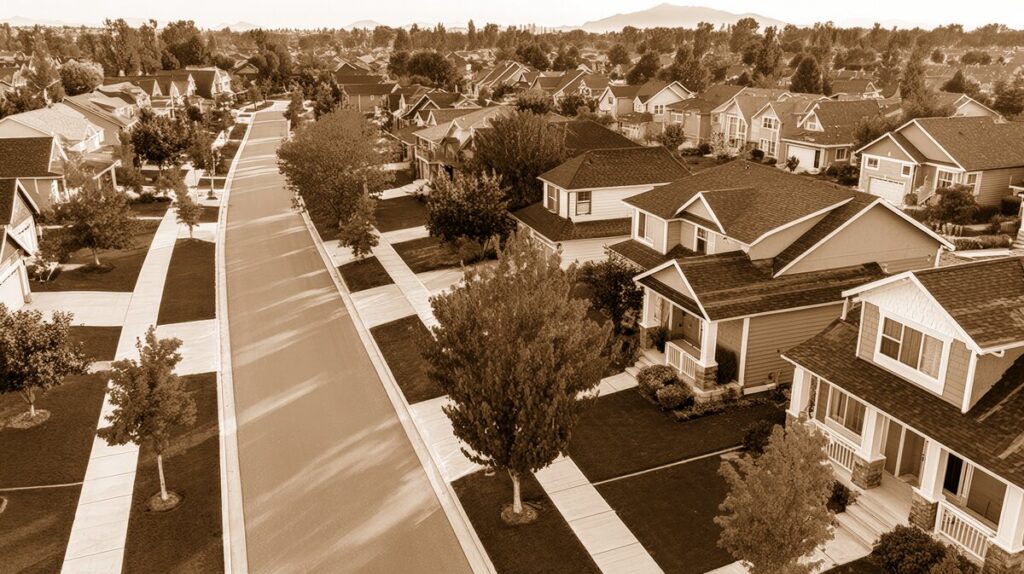
Nestled just a few blocks southwest of the Minnesota River, the Dotson Park neighborhood is one of Mankato’s beloved historic gems. More than just a cluster of charming homes and leafy streets, this neighborhood tells a story of enterprising pioneers, resilience, and the ever-evolving spirit of a community that treasures its roots while welcoming change.
Origins of Dotson Park Neighborhood
The roots of Dotson Park neighborhood stretch back to the days when Mankato was still emerging as a city on the Minnesota frontier. Originally, the land encompassing much of the neighborhood was part of the prairies and fields tilled by early settlers. Among these settlers, the Dotson family established a reputation for civic service and education—an influence that would echo through the generations.
Dotson Park itself takes its name from William Riley Dotson, a prominent educator and local school superintendent in the late 19th and early 20th centuries. His dedication to public education and his vision for Mankato’s growth led the city to commemorate his legacy by naming this central gathering space after him. It’s no surprise that the park and the neighborhood surrounding it became synonymous with family life, recreation, and community spirit.
Landmarks and Points of Pride
At the heart of the neighborhood lies the charming Dotson Park, bounded by Hubbell Avenue, Goodyear Avenue, and West Pleasant Street. With its mature trees, playground, open fields, and picnic areas, the park has long served as an unofficial gathering spot. In the summer, it’s animated with the sounds of children playing and neighbors chatting over barbecues, mirroring the convivial atmosphere that first inspired the neighborhood’s growth.
Dotson Park neighborhood is also home to several architectural gems. Wandering along streets like Goodyear and West Pleasant, you’ll find houses that date back to the early 1900s—many featuring the sturdy brickwork and ornate wood trim characteristic of that period. While some of the oldest structures are modest bungalows, you’ll also spot well-preserved American Foursquare and Craftsman-style homes, testament to the tastes and values of the original residents.
The neighborhood is closely linked to Mankato’s educational tradition. Just a short walk away is the historic Lincoln Community Center (formerly Lincoln School), a building whose legacy in local learning continues today as a bustling site for community programs and lifelong education.
Key Historical Milestones
- Late 1800s: Settlement of the area begins, with farmland slowly transitioning to residential plots as Mankato expands westward from the river.
- 1920s–1930s: Major housing development flourishes, with many homes built for teachers, railroad workers, and small business owners.
- 1946: Official dedication of Dotson Park, providing a shared green space for neighborhood recreation and events.
- 1950s–1960s: Growth of nearby retail and infrastructure, linking Dotson Park with the vibrant activity on Riverfront Drive and Minnesota State University, Mankato, to the southwest.
- 1990s–2000s: Renovations and historic preservation efforts intensify, with residents rallying to restore homes and protect the unique character of the neighborhood.
Throughout the decades, Dotson Park neighborhood has weathered the ebb and flow of Mankato’s economic and social changes. Despite pressures of modernization, including several proposals for redevelopment, residents have continually advocated for the preservation of green space and historic streetscapes.
Community Evolution and Enduring Traditions
What truly sets Dotson Park neighborhood apart is its enduring sense of community. Many families here have roots stretching back several generations. Annual block parties, summer movie nights in the park, and holiday parades are time-honored traditions that bring neighbors together and foster a spirit of belonging.
Over the years, the neighborhood has welcomed new faces, including university students, families from across the Midwest, and retirees seeking walkable streets and a friendly environment. Local groups, such as the Dotson Park Neighborhood Association, actively engage in everything from beautification projects to public safety, reinforcing a sense of stewardship among residents.
In recent times, this blend of old and new has become one of Dotson Park’s strengths. Historic homes mix with smart renovations and the occasional newly built house, all bound by a shared commitment to community pride and sustainability. Well-tended gardens and tree-lined sidewalks invite leisurely strolls, while the park itself remains a living link to the past—a place where children’s laughter and the shadows of towering oaks capture the neighborhood’s spirit.
Notable Streets and Institutions
Walking through the neighborhood, several key arteries reveal its layered story:
- Hubbell Avenue: Anchoring the park and home to a mix of old and new residents, this avenue exemplifies Dotson Park’s diversity.
- Goodyear Avenue: Known for its stately early 20th-century homes and close-knit blocks.
- West Pleasant Street: The site of some of the oldest surviving properties, with gardens and porches that seem to invite friendly chats at any hour.
Nearby institutions such as Lincoln Community Center and the Mankato Family YMCA connect the neighborhood outward, making Dotson Park both a quiet retreat and a convenient hub in the city.
Heritage Worth Celebrating
To live in Dotson Park is to participate in a legacy of neighborliness, hard work, and shared celebration. Whether it’s the memory of the first tree planted in the park or the recent repainting of a beloved porch swing, each story adds to the tapestry of heritage that defines this corner of Mankato.
Perhaps the most enduring legacy of the Dotson Park neighborhood is the sense of belonging it fosters. It reminds us that history isn’t static—it’s living in every handshake on the sidewalk and every gathering under the shade of Dotson Park’s great trees. In an age when many places are losing their unique character, this neighborhood stands as a testament to the power of roots, memory, and the simple pleasure of feeling at home.
Dotson Park isn’t just part of Mankato’s geography; it’s part of its heart—and for generations past and present, that makes all the difference.